GED Africa’s Climate-Smart Agriculture programme forms part of the Livelihood Restoration Programme (LRP) under the Kasomeno–Mwenda Toll Road Project. The programme is designed to strengthen agricultural livelihoods by promoting climate-smart farming practices, practical skills development, and long-term resilience.
The focus is on building capacity rather than providing short-term support. Through hands-on training and continuous engagement, the programme equips project-affected households and host communities with transferable skills that support improved productivity, climate adaptation, and sustainable land management over time.
The “Trainers-of-Trainers” Model
Given the linear nature of the project, GED Africa has adopted a “trainers-of-trainers” model to ensure the widespread adoption of climate-smart agricultural practices across multiple communities.
This approach enables sustainable knowledge transfer and ensures long-term impact beyond the immediate project-affected population.
Enabling Lead Farmers
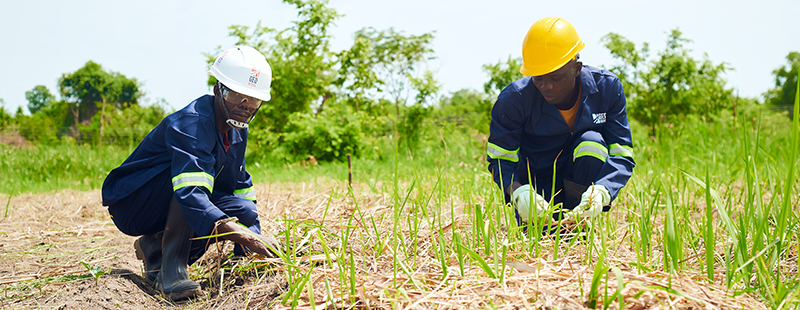
To help scale the impact of the Livelihood Restoration Programme, GED Africa has identified and engaged Project-Affected People (PAPs) with strong agricultural knowledge to serve as Lead Farmers. These individuals act as knowledge hubs within their communities, helping to spread sustainable farming practices far beyond the initial training site.
At the Demonstration Plots, Lead Farmers:


Ongoing Support and Field Engagement
A core strength of this model is the continuous support offered to Lead Farmers in the field. The GED Africa team regularly visits farms to:
- Troubleshoot challenges as they arise.
- Offer tailored technical support.
- Reinforce key techniques through hands-on guidance.
- Adjust training based on field observations and local needs.
By providing real-time support and resources, GED Africa is cultivating a self-sustaining network of agricultural leaders who are driving lasting change within their communities – well beyond the life of the initial training programme.

Knowledge Transfer and Learning Support
As of January 2026 there have been: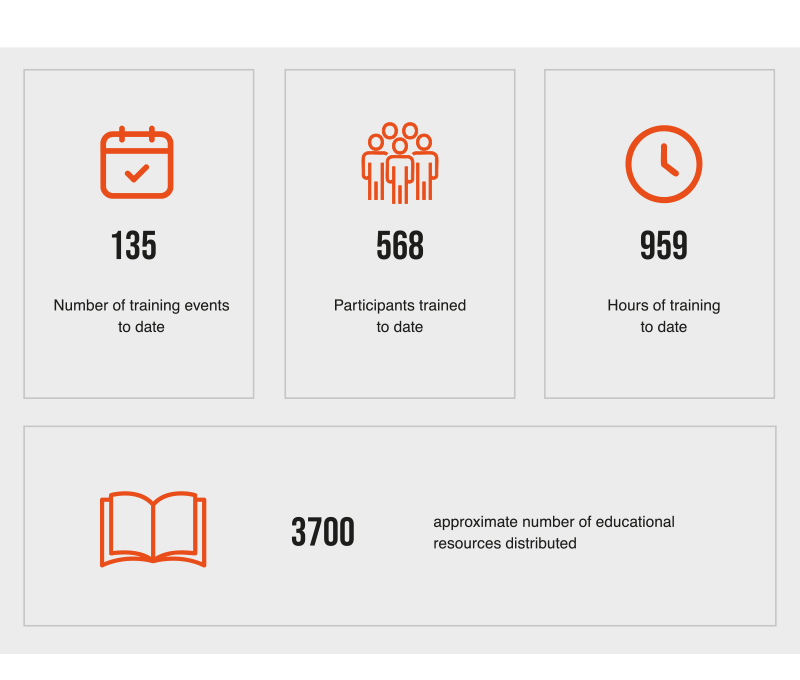
Zambia
The programme’s initial demonstration plot in Gershom, Zambia has been active since 2024 and continues to provide training and skills transfer to local communities.
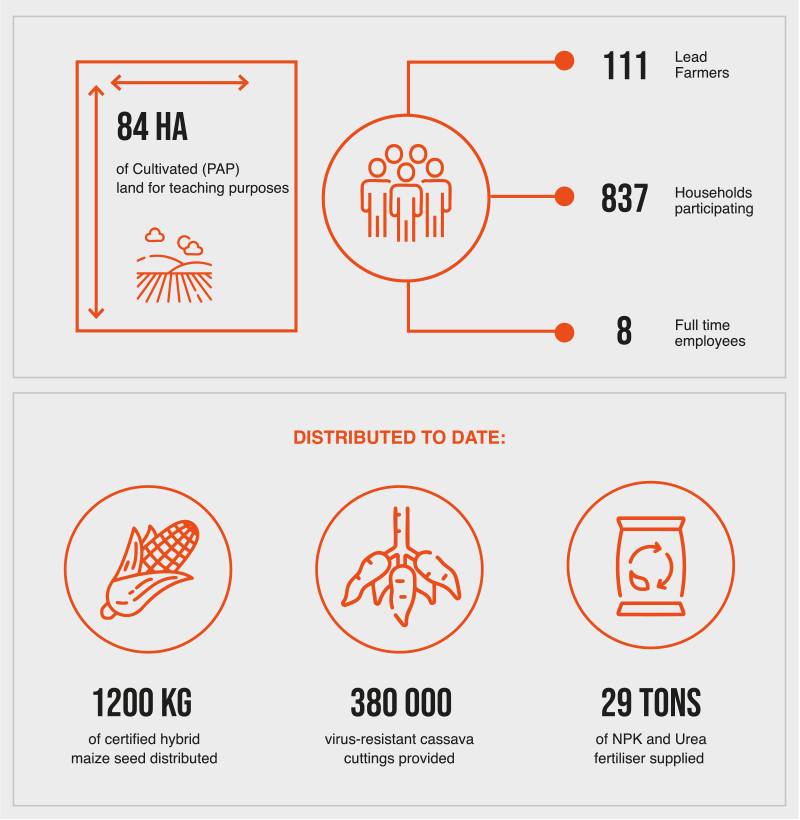
Current programme outcomes in Zambia include:
Democratic Republic of Congo
In the Democratic Republic of Congo, the demonstration plot was established in the second quarter of 2025. Initial activities focused on vegetable cultivation to enable early production cycles and rapid learning suited to local conditions.
As the programme has progressed, the demonstration plot has become a focal point for practical training and peer exchange, with crops and techniques introduced in line with seasonal patterns and community priorities.
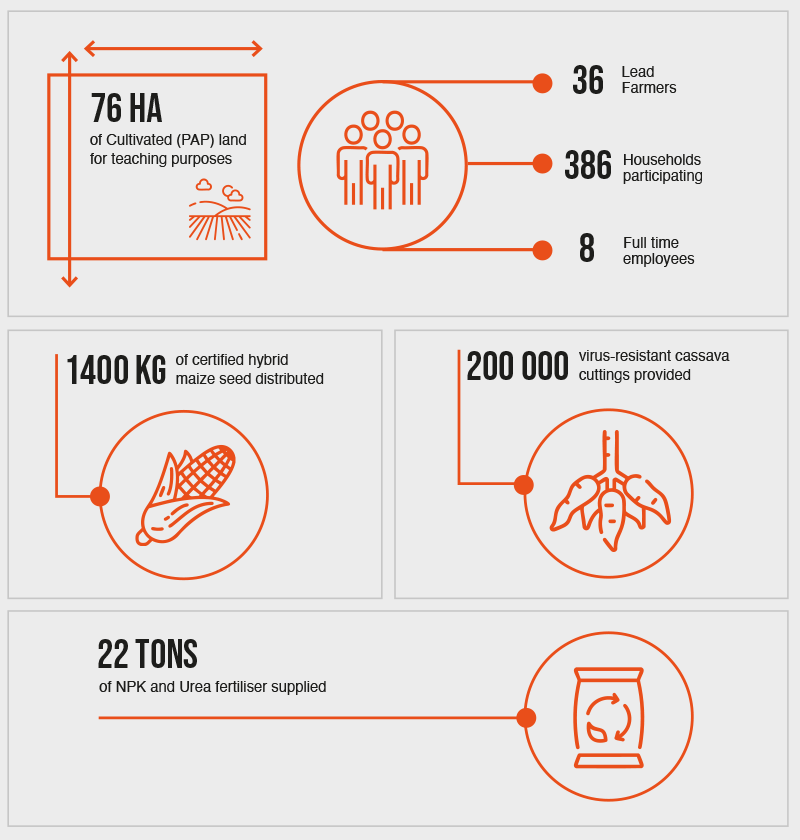
Current programme outcomes in the DRC include: